


Separate a fast payment from the risks around it
Understand what a PayID transfer confirms, what it cannot guarantee, and how payment limits and bonus conditions affect real-money transactions.

Table of Contents
Table of Contents
- How PayID Fits into Online Payments
- PayID in Australia: The Payment Network Behind the Name
- Before a PayID Transfer: Bank Details, Limits and Blocks
- New PayID Pokies and the Withdrawal Process Behind Them
- What PayID’s Convenience Does—and Does Not—Guarantee
- Real-Money Payment Terms: Minimums, Deductions and Bonus Conditions
How PayID Fits into Online Payments
PayID is sometimes described as a fast way to fund online pokies. The important detail is what that speed refers to: PayID deposits at online casinos are typically completed within seconds. That describes the transfer, not the legality of the service receiving it, the status of an account, or any other part of a gambling transaction.
For a deposit, PayID is the payment method named in the transaction. The payment moves from the payer through the PayID system, and the reported transfer time is short. The payment method does not itself turn an online casino into an authorised service. It is a way of making a payment, not an endorsement of the recipient.
That distinction matters in Australia. Under the Interactive Gambling Act 2001, operators are prohibited from providing real-money online casino games, including pokies, to people physically located in Australia. A site’s use of PayID does not change that legal position. Nor does a quick payment establish that a service is lawful, fair, or willing to pay winnings.
UK casinos listed by payout speed
Choosing a PayID pokies site means checking the practical details that matter for your visit, including payment options and licensing information where available. Use this list as a reference to review the known details for each operator.
Vegaz Casino
- License
- Curacao OGL/2024/1335/0780
- Min. deposit
- EUR 20
Vegaz Casino lists a Curacao OGL licence, number 2024/1335/0780. Its minimum deposit is EUR 20.
LevelUp Casino
- License
- Curacao eGaming OGL/2023/174/0082 (Dama N.V.)
- Min. deposit
- A$15
LevelUp Casino lists a Curacao eGaming licence, number OGL/2023/174/0082, held by Dama N.V. The minimum deposit is A$15.
WinSpirit Casino
- License
- Curacao eGaming OGL/2024/923/0383 (Antillephone N.V.)
- Min. deposit
- A$30
WinSpirit Casino lists a Curacao eGaming licence, number OGL/2024/923/0383, held by Antillephone N.V. Its minimum deposit is A$30.
MrPacho
- Payout speed
- crypto 30-120 minutes, fiat 24-72 hours
- Min. deposit
- A$30
MrPacho lists crypto payouts of 30–120 minutes and fiat payouts of 24–72 hours. The minimum deposit is A$30.
Roby Casino
- License
- Curacao eGaming (Roby Games Ltd)
Roby Casino lists a Curacao eGaming licence held by Roby Games Ltd. No other operator details are provided here.
House of Pokies
- License
- international iGaming licence – jurisdiction not named in the source
- Payout speed
- PayID 1-24 hours
- Min. deposit
- A$30 (PayID from A$10)
House of Pokies lists an international iGaming licence, though the jurisdiction is not named in the source. PayID payouts are listed at 1–24 hours, and the minimum deposit is A$30, or A$10 when using PayID.
Rollero Casino
- License
- Curacao Gaming Control Board OGL/2023/176/0095 (Hollycorn N.V.)
Rollero Casino lists a Curacao Gaming Control Board licence, number OGL/2023/176/0095, held by Hollycorn N.V. No other operator details are provided here.
Wild Tokyo
- License
- Curacao
- Payout speed
- crypto 30-60 minutes, fiat 1-5 days
- Min. deposit
- A$10
Wild Tokyo lists crypto payouts of 30–60 minutes and fiat payouts of 1–5 days. Its minimum deposit is A$10.
SkyCrown
- License
- Tobique Gaming Commission
- Payout speed
- crypto ~10-15 minutes, fiat 1-5 days
- Min. deposit
- A$30
SkyCrown lists a Tobique Gaming Commission licence. Crypto payouts are listed at around 10–15 minutes, fiat payouts at 1–5 days, and the minimum deposit is A$30.
Bizzo Casino
- License
- Curacao Gaming Control Board (TechSolutions Group N.V.)
Bizzo Casino lists a Curacao Gaming Control Board licence held by TechSolutions Group N.V. No other operator details are provided here.
The word “instant” can also blur separate events. A PayID deposit being completed within seconds is a statement about the payment transfer. It should not be read as a promise about how quickly an online service will reflect a payment, make an account available, or resolve a dispute. Those are different matters, and the transfer-speed fact does not establish their timing.
This is why “new PayID pokies online” is not a useful way to judge a service. A recently advertised payment option may sound like a new kind of product, but the meaningful point here is limited: PayID can move a deposit quickly. The payment method alone says nothing about the operator behind it.
From the payment side, the attraction is clear. A transfer that takes seconds leaves less waiting at the payment stage than a method that takes longer. But speed is only one feature of a transaction. It does not answer whether the underlying service may lawfully be offered in Australia, and it cannot be used as a substitute for that assessment.
In practical terms, PayID’s role in a deposit is narrow: it is the payment channel, and the transfer is typically completed within seconds. The transaction should not be treated as proof of anything beyond that. Not a licence. Not a guarantee.
PayID in Australia: The Payment Network Behind the Name
PayID is the name attached to a way of identifying a payment destination in Australia. A mobile phone number or email address can serve as that identifier, replacing the need to enter traditional account details in every situation. The identifier is the visible part; the payment network that carries the transfer is the less visible part.

That distinction matters. PayID is not simply an email-based payment service or a separate wallet. It operates through the New Payments Platform (NPP), which facilitates quick transfers between banks. The identifier gives a sender a way to direct a payment, while the NPP is the infrastructure through which participating banks can move funds. Those roles are related, but they are not interchangeable.
From the other side of a payment counter, I learned that people often give the label more meaning than it has. They see “PayID” and assume it describes a complete service, including how a business handles payments. It does not. The name refers to a payment method built around an identifier and a network; the organisation receiving a payment still has its own systems and procedures. A payment method is not a verdict on the recipient.
The identifier is not the network
A mobile number or email address is familiar and easy to recognise. That convenience can make PayID seem like a transfer sent directly to a phone or inbox. The number or address is not the money itself, though. It serves as a unique identifier for making a transaction, while the NPP provides the underlying connection between banks.
In practical terms, the identifier helps distinguish where a payment is meant to go without requiring the sender to treat the identifier as a bank account number. The network handles the movement between banks. Keeping those pieces separate makes the name easier to understand: PayID is the identifying layer, and the NPP is the payment infrastructure it uses.
This is also why PayID should not be confused with a bank, a gambling operator or a guarantee about how a recipient behaves. It does not decide whether a service is lawful, whether a transaction is appropriate, or how a business manages its own account. Those questions sit outside the payment identifier.
Why the NPP matters
The New Payments Platform connects the payment method to a wider Australian banking system. PayID’s ability to facilitate quick transfers between banks depends on that infrastructure, rather than on a casino, retailer or other recipient inventing a separate rail for each customer. The system is designed to make transfers quick; the presence of an identifier is only one part of that arrangement.
“Instant” can sound like a promise that every step surrounding a payment will be immediate. It describes the kind of transaction PayID enables, not every process that might be attached to it. A business may have its own account handling, checks or recordkeeping. Those are not the same thing as the transfer network. The distinction is easy to lose in a short cashier label. It remains important.
The NPP connection also explains why PayID belongs to the Australian payments landscape rather than being merely a brand used by one online service. The identifier can be a mobile number or email address, and the network supports quick transfers between banks. That is the core architecture worth understanding. More specific claims about what a particular recipient does with a payment cannot be inferred from the name alone.

A payment label is not a trust mark
In pages about PayID pokies, the method can appear beside claims about speed, ease or reliability. Those descriptions may refer to different things. PayID’s role is to facilitate a payment using a unique identifier through the NPP. It does not certify the recipient, establish that a gambling service is fair, or guarantee that an operator will handle funds in a particular way.
There is also a separate legal point that payment terminology cannot change. Under Australia’s Interactive Gambling Act 2001, it is illegal for operators to provide real-money online casino games, including pokies, to people physically located in Australia. A payment method’s presence does not make such a service lawful or alter the status of the operator. The payment network and the rules governing the service are different matters.
That distinction is useful beyond gambling. A familiar payment name may make a transaction look routine, but the payment rail does not supply a general endorsement. “Secure” describes a quality associated with PayID transactions; it should not be stretched into a promise about every organisation or offer that displays the name.
I have seen the same confusion arise whenever a payment method becomes familiar: the label is treated as if it were the whole transaction. It is not. A unique identifier makes the destination easier to specify, and the NPP enables quick movement between banks. The recipient remains a separate party, with separate obligations and practices.
Legal Restriction
Under the Interactive Gambling Act 2001, it is illegal for operators to provide real-money online casino games, including pokies, to people physically located in Australia.
So, when PayID appears in a description of Australian payments, the useful reading is narrow and clear. It is a digital payment system based on identifiers such as mobile numbers and email addresses, operating through the New Payments Platform. That explains the network behind the name. It does not say more than that.
Before a PayID Transfer: Bank Details, Limits and Blocks
A PayID transfer can be technically available and still fail at the point where the bank checks the payment. In practice, the first condition is identity alignment: the PayID entered for the transaction must be the one registered with the player’s bank. A mobile number or email address that looks familiar is not enough if it is not the bank-linked identifier being used for the transfer.
That distinction matters because people can have more than one contact detail in circulation. An old mobile number may still be associated with a payment profile, while a current email address may not have been registered as a PayID at all. From the payment side, the relevant detail is the identifier attached to the bank account, not simply a contact method the account holder uses elsewhere. A mismatch can leave a payment unable to proceed or require the details to be corrected before another attempt.
There is a second identity check around the names on the accounts. The bank account name should match the name on the casino profile. A difference between those records can create a problem when the operator checks who owns the funds or account, even where the PayID itself is valid. The practical point is not to treat the payment identifier as a substitute for consistent account details. Names and identifiers serve different checks.

I have seen account-detail issues mistaken for payment-system faults. The transfer method gets blamed because it is the visible part of the transaction, while the underlying mismatch may be a stale identifier or inconsistent account name. That is a mundane cause, but it matters. Payment eligibility depends on the details lining up before any question of processing can arise.
The bank’s limit is the relevant ceiling
The player’s bank sets the daily PayID transfer limit. A specialist review describes this as a bank-side setting, rather than a limit determined by the payment method itself. That means the available amount is not necessarily the same across banks or even across customers using the same bank. The applicable ceiling is the one attached to the account and its settings.
This is separate from any amount an online service may accept. A transfer can fall within a service’s stated parameters and still be stopped if it exceeds the bank’s own daily limit or runs into another bank-side control. Conversely, a bank limit does not mean that a particular merchant will accept every transfer within that ceiling. These are different checks, administered on different sides.
The distinction is easy to miss in payment descriptions that present a method as if it had one universal cap. PayID is the route; the bank’s limit is an account-level condition. A specialist review notes that the player’s bank determines the daily limit, so a fixed figure presented as applying to every Australian PayID user would be misleading. No universal number follows from the method itself.
Do
- Ensure the PayID matches your bank registration
- Verify that account names are consistent
- Check your bank's daily transfer limit
Don't
- Use a contact detail not linked to your bank
- Assume a universal cap applies to all users
- Expect the casino to override bank blocks
Gambling-merchant blocks can be selective
A further complication is that a bank may restrict a payment to a gambling merchant under its acceptable use policies. A specialist review reports that some Australian banks, including members of the Big Four, have occasionally blocked PayID transfers to known gambling merchants. This should be read as a reported possibility, not as a standing rule applied by every bank or a settled description of current practice across the market.
The distinction is important. A failed transaction does not, by itself, establish that PayID is unavailable or that all payments to the relevant category of merchant are blocked. The restriction described is bank-side and may concern a particular merchant or payment. At the same time, repeated attempts do not change the bank’s policy. If the bank has declined a transfer, the casino’s payment instructions cannot override that decision.
Acceptable use policies explain why a bank may apply controls beyond the basic mechanics of a transfer. Those controls can affect eligibility even when the PayID is correctly registered and the account has room under its daily limit. The transfer method does not guarantee that every merchant category will be treated alike.
Keep the conditions separate
When a payment cannot be made, three different issues are easy to collapse into one: whether the PayID matches the bank registration, whether the amount is within the bank’s daily limit, and whether the bank permits a transfer to that merchant. Each can produce a different obstacle. Treating them as interchangeable leads to repeated attempts without addressing the actual cause.
For anyone assessing a service described as offering new PayID pokies, the payment method alone says little about whether a transfer will be accepted by a bank. Nor does the presence of PayID establish that a casino is licensed, that its games are fair, or that it will pay winnings. It is a payment route, not an endorsement.

There is also a legal boundary behind the market language. Under the Interactive Gambling Act 2001, providing real-money online casino games, including pokies, to people physically in Australia is illegal for operators. A payment method cannot alter that status. The practical conditions described above explain why a bank transfer may or may not be eligible; they do not make the underlying service lawful.
No single check settles every case. Matching identifiers address one condition; consistent names address another; bank limits and merchant controls remain separate. That is the useful distinction. No shortcut.
New PayID Pokies and the Withdrawal Process Behind Them
A PayID withdrawal has two distinct parts: the casino’s handling of the request and the later transfer to the bank account. The payment method can move money quickly in either direction, but that does not mean a withdrawal begins moving as soon as it is submitted. The casino controls the first stage.
Withdrawal Sequence
- 1
Request Submission
The customer submits a withdrawal request through the casino's payment area.
- 2
Internal Review
The casino reviews the request, which may include KYC identity verification.
- 3
Approval
The operator approves the request and releases the funds from their system.
- 4
PayID Transfer
The funds are transferred to the bank account associated with the PayID.
I separate those stages when assessing a stated payout time. A clock measured from approval says something different from one measured from the moment a withdrawal is requested. The first excludes the time the casino may spend reviewing it; the second includes that interval. Without that distinction, a short transfer estimate can sound like a promise about the whole process. It is not.
From request to approval
The process begins when the customer submits a withdrawal request through the casino’s payment area. The request is then subject to internal review. A specialist review reports that the casino’s checks and the customer’s KYC status can affect how quickly a payout is approved. KYC refers to identity verification; its status matters because the casino’s decision to release funds comes before the PayID transfer itself.
That order is important. A transfer method cannot move money that the casino has not yet released. While a request remains under review or pending, the funds have not left the casino’s system. Once the casino approves the request, the next stage is the transfer to the bank account associated with the PayID.
In practice, the review stage is where a withdrawal timeline can become less predictable. Approval is a decision made by the operator, not by PayID. A pending status therefore describes the casino-side process, rather than a delay within the bank transfer network. The distinction is easy to miss when a payment page presents one headline estimate.
The reported timing
A specialist review describes casino-initiated PayID withdrawals as potentially subject to a pending period of 24–72 hours before the funds leave the casino’s system. The same type of review gives a post-approval transfer estimate of 12–24 hours and describes the total time from request to receipt as 2–4 days. These are reported timings, not a fixed schedule that applies to every operator or request.

The figures refer to different points in the chain. The pending period is on the casino side; the post-approval interval concerns the transfer after the request has been cleared. Combining the two helps explain why a payment method associated with quick transfers can still be part of a withdrawal that takes longer from the customer’s perspective.
That is the practical meaning of “fast” in a payout claim: it may describe the transfer after approval, not the entire journey from request to bank account. The review period remains separate. Read the stages, not just the headline.
What affects the casino-side stage
Internal review and KYC status are identified in specialist reporting as factors in payout speed. This does not establish that every withdrawal receives the same checks or that every account follows an identical path. It does mean that a transfer estimate should not be treated as independent of the operator’s approval process.
A request can therefore be understood as a sequence: submission, casino review, approval, and transfer. The first stages are controlled by the operator; PayID is relevant once funds are released for payment. If the request is still pending, waiting for the bank to receive it will not resolve the delay, because the casino has not yet initiated the outward transfer.
I would read any displayed status in that light. A request awaiting review is not the same as an approved payment awaiting arrival. The labels and procedures can differ between services, so the useful point is the underlying distinction rather than the wording used on a particular screen.
There is also a legal boundary to this subject in Australia. Under the Interactive Gambling Act 2001, it is illegal for operators to provide real-money online casino games, including pokies, to people physically located in Australia. Describing a payment process does not change that rule or amount to a recommendation to use an offshore casino.
Reading a payout estimate carefully
The clearest estimate is one that says which clock it measures: from request, from approval, or from the point funds leave the operator. A post-approval estimate alone cannot show how long internal review may take. Conversely, a total estimate can include both review and transfer, but it should not be mistaken for a guaranteed arrival time.
For PayID, the transfer stage may be quick, while the casino’s review determines when that stage can begin. Specialist reporting gives the timing ranges above, but they describe reported experience rather than a universal service standard. The useful takeaway is not that every request follows a set timetable; it is that “withdrawal time” can refer to more than one interval.
The payment rail is only the final leg. The approval comes first.
What PayID’s Convenience Does—and Does Not—Guarantee
PayID’s appeal is easy to describe: a transfer can be quick, and PayID itself does not charge a transfer fee. Reputable venues also do not add a separate fee for PayID deposits or withdrawals. That can make the payment method feel straightforward. It does not make every part of a gambling service straightforward, safe or lawful.

The distinction matters. A payment method handles the movement of money; it does not assess the wider service that receives it. A fast transfer says nothing about how an operator treats customers, explains its terms or handles a dispute. Nor does the presence of PayID establish that a venue is licensed, that its games are fair, or that winnings will be paid. Those are separate questions, and a familiar payment option cannot answer them.
There is also a legal boundary specific to Australia. Under the Interactive Gambling Act 2001, providing real-money online casino games, including pokies, to people physically located in Australia is illegal for operators. PayID’s availability does not change that rule or turn a prohibited service into a lawful one. A payment feature is not a licence or approval.
In industry language, “seamless” often describes the narrowest part of the experience: the money moves without an extra PayID fee. It says little about what happens before or after the transfer, and it should not be read as a broader assurance. Payment convenience is not a quality stamp.
The finality is part of the trade-off
Speed has a less comfortable counterpart. Once a PayID transaction is confirmed, it is irreversible. That makes the moment of confirmation important: after it, the payment cannot simply be recalled through PayID because the decision has changed.
This is not a contradiction. A system designed to move funds quickly can also settle a confirmed instruction with finality. The feature that removes friction also leaves less room to undo a mistake. A typo, a misunderstood payment request or a decision made too quickly can therefore have consequences that a later change of mind cannot fix.
From the operational side, I regard confirmation as a hard boundary, not a routine step to click past. Before it, a payment can still be reconsidered. After it, the transfer is treated as completed. That is why the useful question is not just whether a method is fast, but what the speed asks of the person authorising it. Pause first. Confirm second.
The same point applies to fee-free language. “No fee” is a statement about the payment method’s transfer charge and, at reputable venues, the absence of an added PayID charge. It does not mean that every financial condition around an account is cost-free. Other terms can exist independently of the payment rail. Treating “fee-free” as a promise about the whole service confuses one line item with the full arrangement.
Convenience is not due diligence
A familiar payment name can create a sense of reassurance. That feeling is understandable, but it is not evidence. PayID can identify a payment route; it cannot verify an operator’s conduct, decide whether its terms are fair, or guarantee the outcome of a withdrawal request. The fact that a payment option appears on a page does not settle those broader issues.
This matters especially where a payment is connected to real-money pokies in Australia. An easy transfer should not be mistaken for an invitation or endorsement. Real-money online casino games are prohibited services when supplied to people in Australia, regardless of whether the operator offers a recognisable payment method. Convenience does not remove the legal restriction.
The practical value of PayID is therefore narrow but real: when used for a permissible purpose, it can provide a quick transfer without a PayID fee. The limit is equally clear: it cannot protect against a mistaken confirmation or certify the service on the other side. Those are not defects in the payment method; they are questions outside its job.
I have seen payment language do too much work in a sales pitch. A short phrase about speed or fees can sound like a promise of a smooth overall experience, even though it describes only the transfer. Read narrowly, it is useful information. Read as a guarantee, it becomes misleading.
A sound assessment keeps those boundaries separate. PayID’s fee position concerns the transfer. Its finality concerns the consequence of confirming it. Neither fact establishes that an online casino service is lawful in Australia or that any operator will behave well. The convenience is specific. So is the risk.
Real-Money Payment Terms: Minimums, Deductions and Bonus Conditions
Payment terms sit outside the PayID network itself. The payment method can move funds, but it does not set the amount a gambling operator will accept or release, nor does it determine whether a bonus has conditions attached. Those rules are set by the operator. In Australia, real-money online casino games, including pokies, are prohibited services under the Interactive Gambling Act 2001 when provided to people physically located in the country. The figures below describe terms reported in operator reviews; they are not an endorsement or an invitation to use such services.
Deposit Minimums
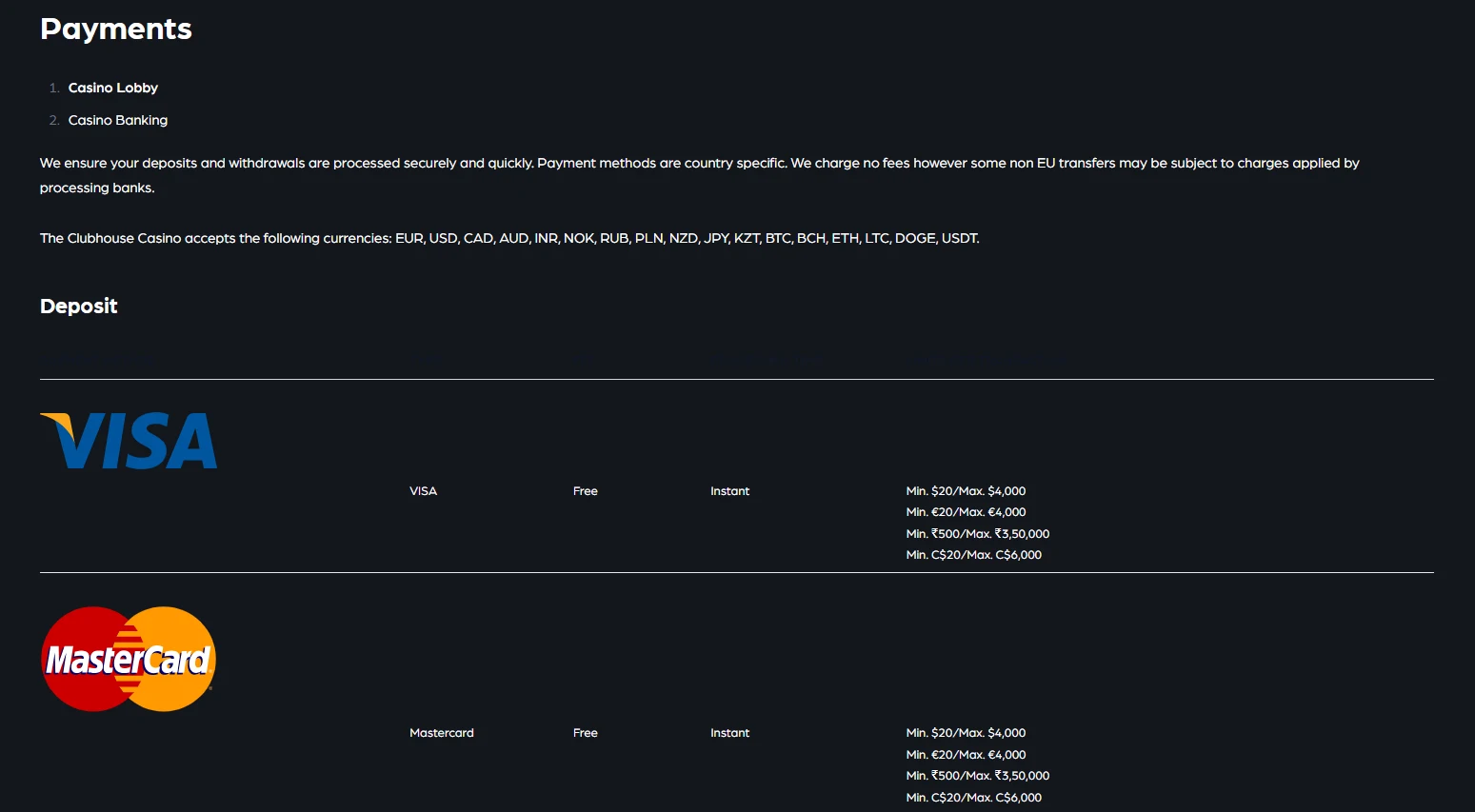
Typically range from AU$10 to AU$20 per transaction depending on the operator.
Withdrawal Minimums
Often higher than deposits, typically falling in the AUD 20–50 range.
Wagering Requirements
Commonly range from 30x to 45x the bonus amount before funds are withdrawable.
Deposit and withdrawal thresholds
A deposit minimum is the smallest amount an operator will accept in a single transaction. Specialist reviews describe entry points of AU$10 to AU$20 at many operators, though individual terms can differ. That threshold is separate from any limit imposed by a bank or from the amount a person may choose to transfer. A payment can be technically possible through PayID and still fall below the operator’s stated minimum.
Withdrawal minimums are often higher than deposit minimums. Specialist reviews report minimum cash-outs in the AUD 20–50 range. This can leave a small balance that cannot be withdrawn until it reaches the operator’s threshold, or until other account conditions are met. The balance shown on a screen is therefore not necessarily an amount immediately available to withdraw.
That distinction matters because a minimum is a condition of the operator’s cashier, not a property of PayID. A payment rail may support a transfer while the operator applies its own acceptance or payout rules. The wording in the cashier or payment terms is the operative detail.
Small withdrawals can also be affected by deductions. Some specialist reviews report operators taking A$5 to A$10 from withdrawals that fall below an internal threshold, with A$100 and A$200 cited as examples of thresholds used in those terms. These are reported practices, not a universal PayID charge. The deduction, where it applies, is set by the operator and can reduce the amount received. A separate specialist-review account describes some casinos charging A$2 to A$5 per withdrawal. These charges should not be conflated: one is described as a fee on a withdrawal, while the other concerns a deduction tied to falling below an internal amount.
The practical cost of a small cash-out can therefore be greater than its headline amount suggests. A stated minimum determines whether a request can be made; a fee or threshold deduction determines how much may be paid after that request. Terms can differ between operators and may also distinguish between payment methods. PayID itself does not charge transfer fees, but that does not prevent an operator from setting its own withdrawal charges or conditions.
Bonus wagering conditions
A bonus can add a separate calculation before funds become withdrawable. Specialist reviews commonly report wagering requirements of 30x to 45x the bonus amount. The multiple applies to the amount named in the offer’s terms; it does not mean the bonus can simply be withdrawn once credited. The wagering condition can require eligible play to reach the specified turnover before the bonus-related balance is released.
The wording matters. An offer may refer to the bonus amount, rather than the combined value of a deposit and bonus, as the basis for the calculation. That difference affects the amount of eligible wagering required. A promotional headline rarely explains the whole calculation; the full terms determine which balance is counted, what activity qualifies and when the requirement is considered complete.
Bonus rules may also sit alongside other account conditions. The wagering requirement should not be treated as the only restriction on a balance, and a credited bonus should not be assumed to be cash available for withdrawal. In the industry, “free” is a marketing label, not a description of money without conditions. The condition is the product.
These figures are not fixed features of PayID or of every operator. They are reported in specialist reviews, and terms can change. For real-money transactions, the distinction between the payment method and the operator’s rules is essential: PayID can be the route for a transfer, while minimums, deductions and bonus requirements remain separate conditions. In Australia, that distinction does not alter the legal status of providing real-money online casino games to people in the country.
Are online pokies legal in Australia?
No. Under the Interactive Gambling Act 2001, operators are prohibited from offering real-money online casino games, including pokies, to people physically located in Australia.
How long do PayID cashouts usually take?
From request to receipt, PayID cashouts usually take 2–4 days because a casino may hold a withdrawal for 24–72 hours before sending it. Once approved, the transfer typically arrives the same day.
Can you withdraw casino winnings using PayID?
Yes, PayID supports withdrawals as well as deposits. The casino reviews withdrawals, and processing depends on its review and your KYC status; after approval, funds usually reach your account the same day.
How long do PayID deposits take to appear in your casino account?
The PayID transfer is typically completed within seconds. That does not guarantee how quickly the casino will reflect the payment in your account.
Written by the editors at Clubhouse Casino.