


Know What Your Casino Deposit Is Actually Using
A mobile number can identify a PayID transfer, but the funds come from a linked bank account—not a phone bill.

Table of Contents
Table of Contents
- A Phone-Bill Deposit Is Not the Same as a PayID Transfer
- How a PayID Casino Deposit Is Actually Credited
- PayID Payments, Limits and Deposit Amounts
- What “Best” Means When the Payment Rail Is Fast
- Bonus Terms Are Separate from the Deposit Method
- BetStop Claims and the Limits of What Payment Details Prove
- Games, Bonuses and the Deposit Floor
- Online Slots Searches Do Not Establish Where a Casino Operates
- Credit Cards Are Not a Substitute for Phone Billing
- Free Spins and Credit Claims Need Their Own Terms
A Phone-Bill Deposit Is Not the Same as a PayID Transfer
“Pay by phone” can describe two different payment arrangements. In carrier billing, a purchase is charged to a mobile account, often appearing on a phone bill or being deducted from prepaid credit. PayID is not that. It sends money from a bank account through Australia’s New Payments Platform (NPP), using an identifier such as a mobile number or email address.
The mobile number is the source of confusion. A number can serve as a PayID identifier, but that does not turn the payment into a phone-bill charge. It tells the banking system where to direct a transfer; the money still comes from the linked bank account. The phone is being used as an identifier or as the device running a banking app, not as the billing account.
I have seen payment labels compress these differences into a few words. “Mobile payment” may refer to the device used, the identifier entered, or the account charged. Those are separate things. A deposit description that mentions a phone number does not, by itself, show that the mobile carrier will collect the amount. And the phrase “pay by phone bill” should not be used as another name for PayID.
That distinction matters when someone is looking for a way to fund mobile casino games through a carrier account. A search for phone-bill deposits is not evidence that a particular payment option exists, works in Australia, or is available for a particular service. Nor does the presence of PayID establish any of those things. It identifies a bank-payment route, not a carrier-billing product.
There is also a legal boundary that changes how this subject should be read in Australia. The Interactive Gambling Act 2001 prohibits operators from providing real-money online casino games to people in the country. That covers casino-style offerings such as pokies, poker, blackjack and roulette. A payment label does not alter the nature of the service or make a prohibited offer lawful. This is not a recommendation to find a different route to an online casino.

PayID itself is part of Australia’s bank-built real-time payment infrastructure. It allows people with Australian bank accounts to send or receive money using a chosen identifier rather than relying on account details alone. That is the useful point of comparison: PayID connects a bank account to a payment destination, while carrier billing places an eligible charge on a mobile account. Different accounts, different collection systems.
The practical language can still be slippery. A page may use “mobile casino payment” to mean that a deposit can be initiated on a phone, even if the money is drawn from a bank account. Another may use it to mean an actual charge collected through a carrier. Without a clear explanation of which account is debited, the wording leaves the essential detail unresolved. “On mobile” describes the screen; “on the phone bill” describes the funding source.
This is why “online casino pay by phone” should not be treated as a precise payment category. The phrase could mean using a phone to access a banking app, sending a PayID transfer identified by a mobile number, or asking a carrier to bill an amount. Those are not interchangeable. Only the first two describe the PayID arrangement, and neither makes PayID a carrier-billed payment method.

I would separate the terms before interpreting any claim: does the payment leave a bank account, or is it added to a telecommunications account? With PayID, it is the bank account. With carrier billing, the carrier account is involved. If the description does not say which one, the wording is incomplete—not proof of a phone-bill option.
So searches for casino deposits charged to a mobile bill should not be answered by pointing to PayID as though it were the same service. A mobile number may appear in both contexts, but the resemblance ends there. One is a bank identifier; the other, when offered for an eligible purchase, is a billing relationship with a carrier.
Different rails. Different meaning.
How a PayID Casino Deposit Is Actually Credited
A PayID deposit has two separate parts: the transfer itself and the casino’s decision about which account to credit. The first happens through a banking app. The second depends on the information attached to the payment. When those details match, the deposit can be recognised automatically; when they do not, the money may arrive without being assigned to the right player account.
PayID Deposit Process
- 1
Selection
Select PayID on the casino's payment page and enter the deposit amount to receive the PayID identifier and payment reference.
- 2
Transfer
Use a banking app to enter the payment details, check the recipient information, and authorise the transaction.
- 3
Matching
The casino matches the incoming transaction to the player account using the provided payment reference.
The process begins on the casino’s payment page, where PayID is selected and a deposit amount is entered. The page then provides the information needed to make the transfer. That may include a PayID identifier and a payment reference. These details are not interchangeable: the identifier directs the payment, while the reference can help the casino identify whose account should receive the credit.
The banking app is where the transfer is confirmed. The player enters the requested payment details, checks the recipient information and amount, and authorises the transaction. From the bank’s side, that is a payment to the displayed PayID recipient. It is not, by itself, a message telling the casino which customer account to update.
That distinction is easy to miss. The payment can be completed while the casino’s account balance remains unchanged. In the back-office process, incoming transactions need to be matched against player accounts. A payment reference containing the required player ID or username gives the casino a way to make that match automatically. Without the required identifier, the funds may sit in a pending state until someone investigates and processes them manually.
I have seen the reference treated as a minor field on a deposit screen. It is not minor. It is the instruction that connects a bank transaction to a particular player record. A correct amount sent to the correct recipient can still be difficult to allocate if that instruction is missing or inaccurate.
What happens when the reference is wrong
A blank reference, an incomplete username or a mistyped player ID can interrupt automatic crediting. The casino may not be able to tell which account should receive the funds, even though the transfer has gone through. The result can be a pending deposit and a need for support staff to trace it.

That is a processing problem, not necessarily a failed bank payment. The distinction matters because repeating the transfer may create a second transaction without resolving the first one. The practical point is to preserve the payment confirmation and use the casino’s support process if the balance has not been updated. Support may need enough information to identify the transfer and match it to the correct account.
A unique reference is useful for the same reason. If a casino supplies a specific reference or instructs that a player ID be included, replacing it with a general note can remove the detail its matching process relies on. The reference should be entered as requested, with spelling and characters checked before confirmation. Small input errors have operational consequences.
Recipient details deserve the same attention. Before confirming a PayID transfer, the recipient name shown in the banking app should be checked against the information supplied on the payment page. A mismatch is a reason to stop and clarify the details rather than assume that the transfer will still reach the intended destination. Once authorised, a payment should not be treated as an editable deposit form.
The point at which the balance changes
There are therefore two confirmation points. The bank confirms that the payment was authorised and sent. The casino confirms that it has identified the incoming payment and applied it to the player account. Those events are related, but they are not the same event.
A banking receipt establishes that a transfer was made; it does not establish that the casino has credited a balance. Conversely, a delayed account update does not by itself show that the bank rejected the payment. The reference and recipient details help explain where the process may have stalled.
This is why the deposit workflow should be read as a chain: select PayID, enter the amount and supplied payment details, confirm in the banking app, then allow the casino to match the transaction to the relevant account. The reference is the link between the last two stages. If the link is absent, manual support processing may be needed.
There is also a legal boundary to this subject in Australia. Real-money online casino services, including casino-style games, are prohibited for operators serving people physically in the country. Describing how PayID matching works does not endorse or recommend using such a service. The mechanics are straightforward. The allocation detail is decisive.
PayID Payments, Limits and Deposit Amounts
PayID is a real-time payment service running through Australia’s New Payments Platform. For a casino payment, the money is sent from a bank account through the player’s banking app; it is not added to a phone bill. The distinction matters when comparing the amount a bank will release with the minimum an online service says it will accept. They are separate limits, set by separate parties.

The payment rail is built to move funds quickly. PayID deposits can reach a casino within seconds, with reported arrival times typically in the range of three to fifteen seconds. That describes the transfer, not every stage of an account being credited. A payment can have left the bank while the receiving service has not yet matched or processed it. In operational terms, “instant” describes the network’s settlement, not a promise about the entire customer journey.
I have seen payment language collapse those stages into one neat claim. It sounds reassuring, but it hides the distinction between a bank releasing funds and a casino recognising them. Fast settlement does not change the amount accepted at the receiving end, nor does it override a bank’s transaction controls. Two limits. Two systems.
Bank limits are not casino minimums
PayID limits are determined by the bank holding the account, and they differ across banks. Major Australian banks commonly permit transactions in the AUD 1,000–5,000 range per payment, while daily caps can fall between AUD 10,000 and AUD 20,000. Those ranges describe banking limits, not recommended deposit amounts and not a promise that every account can send those sums. A bank may apply its own settings to an account or transaction.
The casino’s minimum is a different figure. PayID deposits at casinos commonly begin at AUD 10–20. That threshold is set by the receiving operator, so a bank’s capacity to send a larger payment does not mean the service will accept any amount without conditions. Conversely, a low casino minimum does not mean a bank will approve every transfer. The payment can be technically supported while the amount still falls outside one side’s rules.
Bank Limits
Typically range from AUD 1,000–5,000 per payment, with daily caps between AUD 10,000 and AUD 20,000.
PayID Minimums
Casino deposits using this method commonly begin at AUD 10–20.
Bank Transfer Minimums
Some services accept deposits via a separate bank-transfer route as low as AUD 5.
Some services accept a bank-transfer deposit as low as AUD 5. That is a separate payment route, not evidence that PayID itself has the same minimum. Labels are not interchangeable. A deposit page may group methods together for convenience, but the route selected determines which minimum and processing rules apply.
Read speed and amount separately
For an Australian account, the practical question is not simply whether a service displays PayID. The relevant figures belong to different parts of the transaction: the bank’s sending limit, the service’s deposit floor, and the time taken for funds to arrive. Combining them into one “fast and flexible” claim makes the payment sound more uniform than it is.
That distinction also helps explain why the same payment method can behave differently between customers. Their banks may impose different transaction limits, and the receiving service sets its own minimum. The network can still settle a permitted transfer in seconds; it does not standardise either bank policy or casino rules.
There is a further boundary in Australia. Real-money online casino games, including pokies, are prohibited services when offered to people physically located in the country under the Interactive Gambling Act 2001. A payment option or stated minimum does not make an operator’s service lawful. Payment mechanics describe how money moves, not whether a casino is entitled to offer its games.
The figures are not interchangeable. A quick PayID settlement, a bank’s limit and a casino’s minimum each answer a different question. Short version: separate controls.
What “Best” Means When the Payment Rail Is Fast
UK casinos listed by payout speed
Choosing a pay-by-phone casino in Australia means checking which payment options and practical details are actually available before you sign up. This list highlights the confirmed information available for each operator, without assuming that a particular phone payment method is supported.
Vegaz Casino
- License
- Curacao OGL/2024/1335/0780
- Min. deposit
- EUR 20
Vegaz Casino lists a Curaçao OGL licence, number OGL/2024/1335/0780. Its minimum deposit is EUR 20.
LevelUp Casino
- License
- Curacao eGaming OGL/2023/174/0082 (Dama N.V.)
- Min. deposit
- A$15
LevelUp Casino lists a Curaçao eGaming licence held by Dama N.V. Its minimum deposit is A$15.
WinSpirit Casino
- License
- Curacao eGaming OGL/2024/923/0383 (Antillephone N.V.)
- Min. deposit
- A$30
WinSpirit Casino lists a Curaçao eGaming licence held by Antillephone N.V. Its minimum deposit is A$30.
MrPacho
- Payout speed
- crypto 30-120 minutes, fiat 24-72 hours
- Min. deposit
- A$30
MrPacho lists crypto payouts in 30–120 minutes and fiat payouts in 24–72 hours. Its minimum deposit is A$30.
Roby Casino
- License
- Curacao eGaming (Roby Games Ltd)
Roby Casino lists a Curaçao eGaming licence associated with Roby Games Ltd.
House of Pokies
- License
- international iGaming licence – jurisdiction not named in the source
- Payout speed
- PayID 1-24 hours
- Min. deposit
- A$30 (PayID from A$10)
House of Pokies lists an international iGaming licence, though the jurisdiction is not named. Its minimum deposit is A$30, or A$10 for PayID, and PayID payouts are listed at 1–24 hours.
Rollero Casino
- License
- Curacao Gaming Control Board OGL/2023/176/0095 (Hollycorn N.V.)
Rollero Casino lists a Curaçao Gaming Control Board licence, OGL/2023/176/0095, held by Hollycorn N.V.
Wild Tokyo
- License
- Curacao
- Payout speed
- crypto 30-60 minutes, fiat 1-5 days
- Min. deposit
- A$10
Wild Tokyo lists a Curaçao licence and a minimum deposit of A$10. Its listed payout times are 30–60 minutes for crypto and 1–5 days for fiat.
SkyCrown
- License
- Tobique Gaming Commission
- Payout speed
- crypto ~10-15 minutes, fiat 1-5 days
- Min. deposit
- A$30
SkyCrown lists a Tobique Gaming Commission licence and a minimum deposit of A$30. Its listed payout times are approximately 10–15 minutes for crypto and 1–5 days for fiat.
Bizzo Casino
- License
- Curacao Gaming Control Board (TechSolutions Group N.V.)
Bizzo Casino lists a Curaçao Gaming Control Board licence associated with TechSolutions Group N.V.
I separate the speed of a payment network from the speed of the business that receives or sends the money. PayID runs through the New Payments Platform, so a transfer can settle quickly. That does not mean a casino has approved a withdrawal as soon as the payment rail is ready to move it. The operator’s internal review sits between the request and the transfer; that is where delays can arise.
A specialist review describes the internal processing stage as the main bottleneck for PayID withdrawals, rather than the network itself. That distinction matters when “fast” is used as a selling point. A payment method can be capable of near-immediate settlement while a withdrawal request still waits for checks or approval. Different clocks. Different owners.
The same specialist review reports that top-rated PayID casinos accept withdrawal requests within a window of zero to six hours after submission. It also puts the review and approval window at two to six hours for verified accounts. Those are reported timings, not a promise that applies to every operator or every request. The wording is easy to flatten into “instant payouts”; the mechanics are less tidy. Request acceptance, review, approval and receipt of funds are separate stages.
I would therefore treat a “best” label as a claim about a particular assessment, not a reliable description of every payment outcome. A review may judge operators against its own criteria, while a player’s experience can still depend on account status and the operator’s handling of the request. Even a published processing window says nothing by itself about how long the payment takes after approval. The fast rail is only one part of the chain.
Legal Prohibition
Under the Interactive Gambling Act 2001, it is illegal for operators to provide real-money online casino games, including pokies, to people physically located in Australia.
There is also a terminology problem behind searches for phone-bill deposits, pokies or online slots paid by phone. A search phrase does not establish that carrier billing is available, nor does it show that a casino uses PayID. PayID is a bank-based payment service, not a charge added to a mobile phone bill. A payment method’s name and a promotional description cannot substitute for evidence about how a transaction is funded or processed.
More importantly, payment speed should not be treated as an endorsement of a gambling service. Under Australia’s Interactive Gambling Act 2001, it is illegal for operators to provide real-money online casino games, including pokies, poker and table games, to people physically located in Australia. A fast payment rail does not change that legal position. Nor does a review label establish that an offer is lawful or suitable for Australian players.
When I read a claim about “best” PayID performance, I look at what the timing actually measures: acceptance of the request, approval after review, or arrival of money. Those stages are often compressed into one headline, although they describe different events. A stated review window can be useful context, but it is not a guarantee of payout speed and should not be read as one. No shortcut around the distinction.
Bonus Terms Are Separate from the Deposit Method
A deposit method and a bonus are separate parts of a transaction. PayID describes how money is sent from a bank account; it does not define what must happen before promotional credit or winnings can be withdrawn. In a deposit flow, the player selects PayID, enters an amount and confirms the transfer in a banking app. Any offer attached to that deposit has its own terms.

I have seen “no wagering” used as if it settled the whole question. It does not. The phrase may indicate that a stated wagering requirement does not apply, but it says nothing by itself about other restrictions. The full terms still matter: maximum bet limits, eligible games, expiry conditions and any cap on cash-outs can all affect what an offer is worth. The headline is not the contract.
Read the conditions as a package
A wagering requirement sets how much qualifying play is required before bonus-related funds can be withdrawn. The exact definition matters: terms may distinguish between bonus funds and deposited funds, or specify which games count towards the requirement. Game weighting means different games may contribute differently, so a large displayed balance does not necessarily move towards withdrawal at the same rate in every game.
Bet limits matter for a different reason. A bonus may restrict the size of bets made while its conditions are active. Exceeding that limit can affect eligibility under the offer’s rules. Time limits determine how long the conditions remain available or how long qualifying play can continue. A maximum cash-out condition can cap the amount released from a promotion even after other requirements have been met.
None of those rules is altered by whether a deposit was made with PayID, a card or another payment method. The payment rail handles the transfer; the promotional terms govern the offer. Keep those two layers separate. That is the useful distinction.
“Pay by phone” wording can also blur different services. A phone-bill payment, a payment initiated through a mobile banking app and a deposit associated with a bonus are not interchangeable concepts. Nor does a phrase such as “no deposit” establish that an offer has no qualifying rules; the conditions attached to the offer determine what applies. The payment label cannot fill in terms that are not stated.
Do
- Check for wagering requirements
- Verify maximum bet limits
- Check expiry conditions
- Review maximum cash-out caps
Don't
- Rely only on "no wagering" labels
- Assume payment method affects bonus terms
- Ignore game weighting rules
- Treat headlines as the full contract
For Australian readers, there is a further boundary: the Interactive Gambling Act 2001 prohibits operators from providing real-money online casino games to people physically in Australia. Describing bonus mechanics is not an endorsement or a suggestion that such services may lawfully be offered here. The terms explain how a promotion is structured; they do not change the legal status of the underlying service.
In practice, the important comparison is not “PayID bonus” against “phone bonus.” It is the written condition against the promotional headline. Wagering, bet limits, game weighting, time limits and cash-out caps each answer a different question. Read together, they show what the offer actually permits. No shortcut.
BetStop Claims and the Limits of What Payment Details Prove
A payment label cannot establish whether an operator is on BetStop. PayID, a phone-bill option or a claim that deposits are processed through a carrier describes a payment route. It does not prove anything about an operator’s exclusion status, and it is not evidence that a person is excluded or not excluded.
I have seen these ideas blurred in promotional wording: “not on BetStop” can sound like a payment feature, when it is a separate claim about an operator. A deposit screen cannot substantiate it. Nor does a phone-bill option show whether a service uses Boku or any other billing provider. Those are distinct questions, and the payment method alone answers none of them.
There is a more basic boundary in Australia. The Interactive Gambling Act 2001 prohibits operators from providing real-money online casino games, including pokies, to people physically in the country. A page offering phone-bill casino deposits, real-money play, bingo or slots does not become lawful because it says it is outside BetStop, accepts a particular payment type or advertises a “no deposit” offer. The wording does not change the nature of the service.
Payment details have a narrower use: they describe how money is proposed to move. They cannot verify a regulatory or exclusion claim, and they should not be treated as a shortcut for establishing either. Keep the categories separate. A payment method is not proof of status.

The point becomes practical when money is requested back. A specialist review of casino payment processes notes that identity checks are commonly required before a first withdrawal; completing KYC verification in advance can reduce paperwork-related delay. That check concerns identity and the withdrawal process. It does not confirm BetStop status, and a payment receipt does not replace it.
In my experience, the wording around a deposit tends to receive more attention than the conditions attached to a withdrawal. That is where an apparently simple payment claim can leave unanswered questions: who is processing the payment, what checks apply, and what the claim actually establishes. A phone-bill label answers only the first part, if that.
No shortcut.
Games, Bonuses and the Deposit Floor
A payment option does not tell much about the games attached to an account. PayID describes how money is sent; it does not identify a particular pokies catalogue, confirm which titles are available, or establish that a bonus is attached. The same applies to phone-bill wording: it is not evidence that a particular game or promotion can be accessed through that payment route.
I have seen these details blurred together in promotional copy. “Games included” can sound like a promise of a complete, fixed catalogue, when payment information alone says nothing about the selection. A search for pay-by-phone slots does not change that. The method and the games are separate parts of the offer, and each needs its own clear terms.
The concrete figure is the PayID deposit floor. Casino deposits using PayID commonly begin at AUD 10–20. Some services accept a bank-transfer deposit as low as AUD 5, but that is a different payment route; it should not be presented as the PayID minimum. These are entry amounts, not a measure of how long a balance will last or what any game will cost to play.
That distinction matters when a bonus is displayed beside a deposit option. A low minimum does not establish that a promotion is available, nor does it explain the conditions attached to one. The deposit method can describe how funds arrive, but it cannot establish the bonus’s value or whether a particular game counts toward its conditions. Those are separate questions. Read the terms, not the banner.

Nor does a payment label verify a casino site or its game library. A page using familiar terms such as “pokies” or “pay by phone” may still leave the actual offer unclear. I would treat the deposit amount as a narrow payment detail, not as proof of a catalogue, a promotion, or access to any particular title.
The practical takeaway is modest: PayID entry amounts are commonly AUD 10–20, while the lower AUD 5 figure relates to bank transfer. Beyond that, the names of games and bonuses need specific, current terms. No catalogue implied.
Online Slots Searches Do Not Establish Where a Casino Operates
A site can describe its games as online slots, pokies or mobile casino entertainment without that wording proving where its business is based. The same applies to references to overseas markets: a country name in a page title or payment description is not evidence of a local licence, a physical office or permission to serve Australian customers.
I have seen payment labels treated as shorthand for much more than they establish. PayID is an Australian payment service, not a location check on the business receiving a transfer. It works through the New Payments Platform (NPP), which settles PayID transactions in real time. That tells us something about the payment rail. It does not tell us who operates a casino, where the operator is established, or whether the service may be offered to someone in Australia.
This distinction matters when a casino describes deposits as mobile-friendly or advertises payment by phone. Those phrases can refer to different things, and neither demonstrates that the games are lawful for Australians to use. The payment route and the legal status of the gambling service are separate questions. One can be clear while the other remains unproven.
The legal position is not a technicality. Australian law prohibits operators from providing real-money online casino games to people physically located in Australia. That includes pokies and other casino-style games. A foreign market reference does not change who is being offered the service or where that person is located.
“International” is a label, not proof. From the payments side, a PayID transaction can identify the Australian payment infrastructure involved; it cannot verify an operator’s jurisdiction or establish that its casino service is available lawfully to Australian residents. I would not read a familiar payment method as an endorsement or a regulatory signal.
That is the boundary. A payment method describes how money moves. It does not establish where a casino operates or whether its games may be offered in Australia.
Credit Cards Are Not a Substitute for Phone Billing
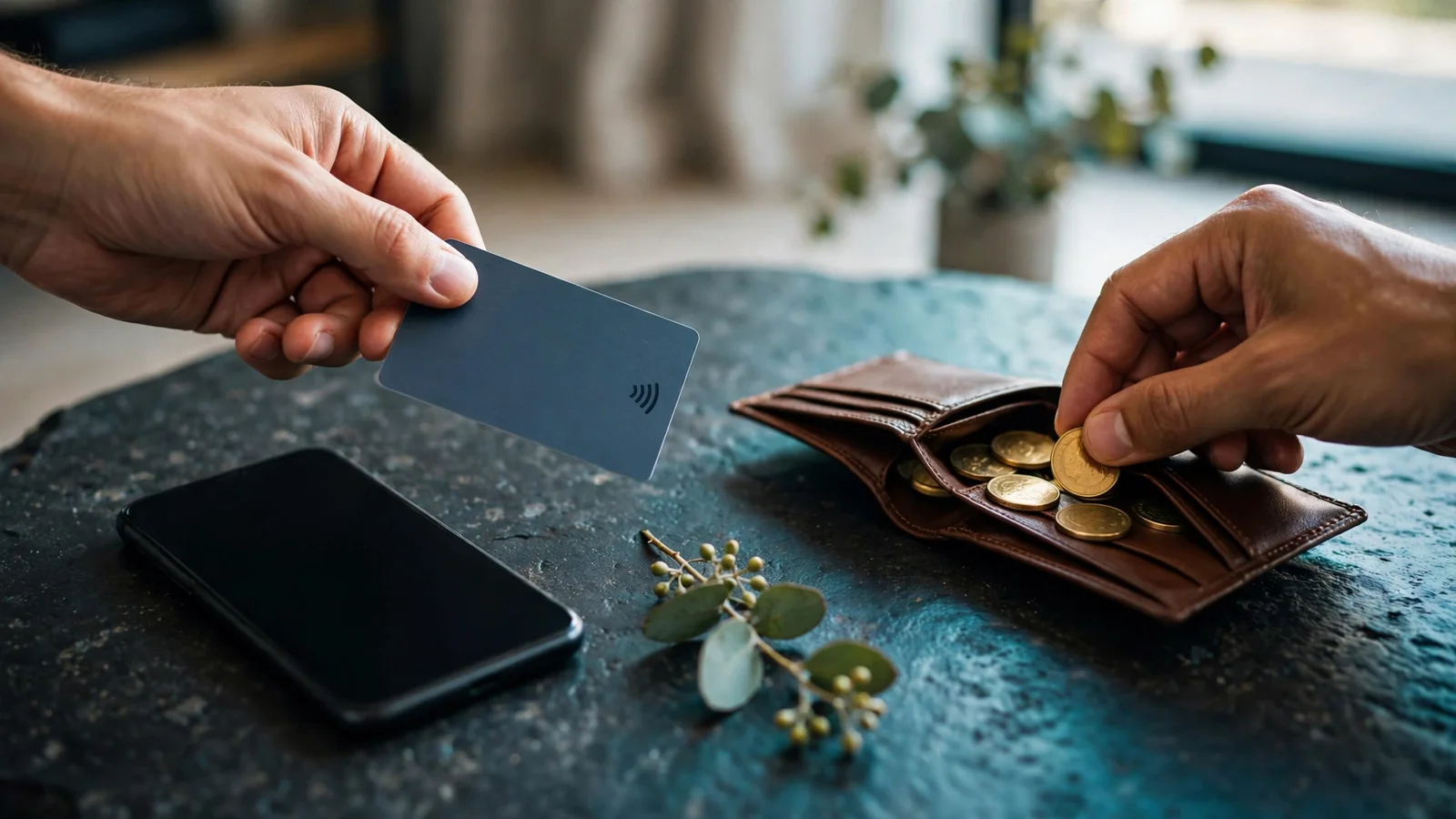
A card deposit and a charge added to a mobile phone bill are different payment arrangements. The word “credit” can blur that distinction: it may refer to a credit card, not carrier billing. A payment label alone does not establish that a phone account will be charged.
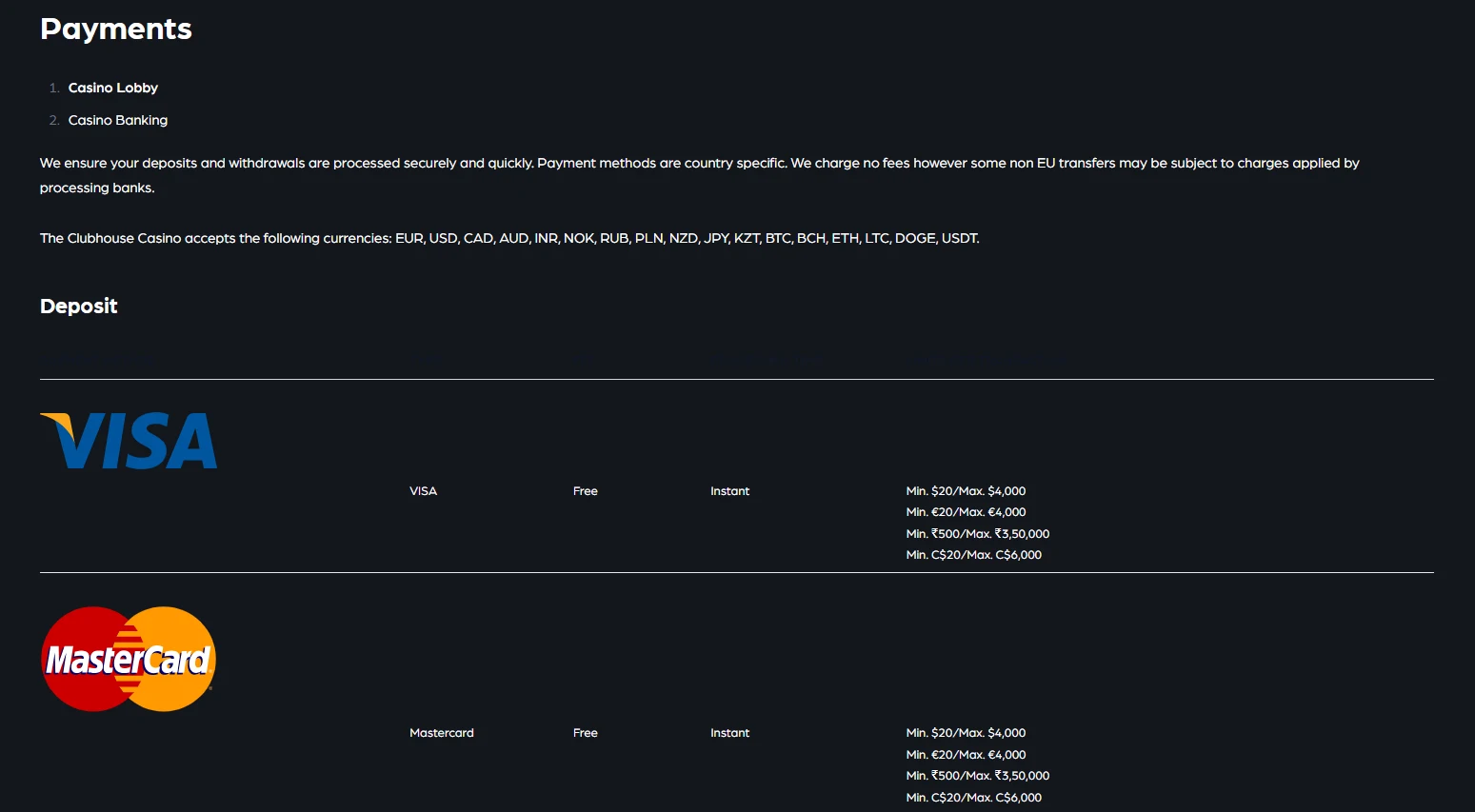
Visa and Mastercard are widely accepted for deposits, according to a specialist review, but that does not make them phone-billing methods. A card payment is processed through a card network and the relevant payment processor. Carrier billing, by contrast, would place a charge through a mobile provider. The two should not be treated as interchangeable simply because both can be described as ways to pay online.
The distinction also matters when money is returned. The same specialist review notes that card withdrawals may be slower or unavailable, depending on the processor. Deposit acceptance, then, does not prove that the card can also receive a withdrawal. The processor’s arrangements determine whether that route is available; a general card logo is not a complete description of the cash-out process.
I have seen payment labels do more persuasive work than their details warrant. “Pay by phone” sounds as though the charge will appear on a phone bill, while “pay by credit” can mean a card transaction. Those phrases are not evidence of the underlying mechanism. The payment method needs to be identified precisely.
European or Irish references do not change that distinction for someone physically in Australia. Real-money online casino services, including casino games and pokies, are prohibited for operators providing them to people in Australia under the Interactive Gambling Act 2001. A foreign payment option does not alter that rule or establish that a service is available here.
The practical point is narrow: card deposits and carrier billing are separate categories, and card withdrawal availability depends on the processor. A payment description cannot turn one into the other. Different rails.

Free Spins and Credit Claims Need Their Own Terms
“Free spins” and “credit” describe promotional claims, not ways to pay. Neither label changes how a deposit is funded: PayID draws from a bank account, while phone billing would charge a mobile account. A promotion using either phrase does not establish that a carrier-billed deposit is available, or that the claimed value can be withdrawn as cash.
I have seen the wording do more work than the offer itself. “Free” may still come with conditions attached to eligible games, the size of a permitted bet, a deadline, or a cap on cash-out. Credit can also be conditional rather than immediately withdrawable. The terms determine what the offer is worth; the headline does not.
The deposit floor is a separate matter. PayID casino deposits commonly begin at AUD 10–20, while some operators accept bank-transfer deposits from AUD 5. That does not mean a free-spin or credit offer starts at the same amount, or that making a deposit qualifies for it. Those details depend on the promotion’s stated conditions.
There is also a more basic distinction in Australia: providing real-money online casino games, including pokies, to people in the country is illegal under the Interactive Gambling Act 2001. A promotional claim does not change that legal position. It is not a payment feature. It is not proof of a permitted service.
Read the label narrowly. If the conditions do not explain how spins or credit are earned, used, and converted into any withdrawable balance, the headline alone tells very little. A glossy promise. Thin detail.
What are the minimum and maximum deposit limits at PayID casinos?
PayID casino deposits commonly start at AUD 10–20, with some bank transfers accepted from AUD 5. The bank-set PayID transaction limit is typically AUD 1,000–5,000 per transaction, but limits vary by bank.
Do Australian online casinos support PayID withdrawals?
PayID withdrawals are offered by some casinos. Typical minimum withdrawals are AUD 20–50, and maximums range from AUD 5,000 to AUD 10,000 per transaction.
What is the minimum PayID deposit?
PayID casino deposits commonly start at AUD 10–20, although some accept bank transfers as low as AUD 5.
How long do PayID deposits take?
PayID deposits typically arrive within 3–15 seconds. A deposit may take longer to be credited to the player’s casino account if its payment reference is missing or incorrect.
Written by the editors at Clubhouse Casino.